- info@schachfestivalmuenchen.de
- +49 151 23553443


Friday, May 22nd
10:00 Johannis Hall, Castle Nymphenburg (Cancelled)
12:30 Excursion Lake Starnberg, starting point Metrostation Westfriedhof
Saturday, May 23rd
10:00 Panels (Reinmarplatz 18)
Sunday, May 24th
Concert (Castle Nymphenburg)
Frank Hoffmeister: a qualified law professor, Head of the Legal Division at the European External Action Service in Brussels, and President of the Chess History & Literature Society (CHLS).)
Stefan Löffler: chess and science journalist, editor of the *Schachkalender* (Chess Calendar), and an International Master. He resides in Lisbon and Karlsruhe.
Christian Benda: conductor, composer, concert cellist, and artistic director of the Prague Sinfonia, with which he produced two Philidor recordings
Volker Antusch: concert pianist, and co-organizer of the Munich Chess Festival, residing in Munich and Freiburg.
Luis Blasco: leader of many chess projects with his club Villalba 64 and the Madrid Chess Academy. He is also an arbiter at the Munich Chess Festival.
Adrienne Teller: a creative educator and curriculum developer in North Carolina, where she launched the Musical Chess project.
https://www.kickstarter.com/projects/musicalchess/musical-chess-music-movement-chess-for-kids/creator
Susanna Poldauf: a lecturer in cultural management, an exhibition curator, and the author of a book on Philidor (published by Exzelsior Berlin). She divides her time between Berlin and the island of Rügen.
Peter-Arnold Mumm: a habilitated Indo-Europeanist and served as a *Privatdozent* (Associate Professor) at LMU Munich until his recent retirement.
10:30–11:30
Welcome
Historical Approaches
Peter-Arnold Mumm: The Early History of Chess Pieces: How the Knight and Rook ruled the half of the world
The names of the pieces in the ancient Indian game of chess mostly originate in India itself. Two names, however, can be traced back to Proto-Indo-European times: aśva and ratha. What does the history of the Indo-European words for “horse” and “chariot” – which can be traced back to the 3rd millennium BCE – tell us about the Indo-European expansion through warfare? If we accept what
the Vedic texts and archaeological finds tell us, there are quite a few surprises there.
Abstract to follow
Stefan Löffler: The 1936 Nazi Chess Olympiad
Following the 1936 Summer Olympics in Berlin, an Olympic team tournament took place in Munich. After the Soviet Union, Nazi Germany was the second state to provide massive support for the sport of chess—and to exploit it ideologically—including for what would today be termed "soft power." Drawing on contemporary sources and photographs from the Munich City Archives, this presentation contextualizes this historical event.
11:30–11:45
Coffee Break
11:45–13:15
Philidor and His Era (in German)
Christian Benda (Video Presentation): Parallels between Chess and Music
Music and chess are both played and are deeply connected with mathematics. His double genius enabled Philidor to become one of the catalysts of the transition from Baroque to Classic and Romantic Music.
Volker Antusch: Compositions of a Chess Genius
Arranging a programme of Philidor´s music comes with challenges, as he composed mostly operas and only a few instrumental pieces, but also with insights.
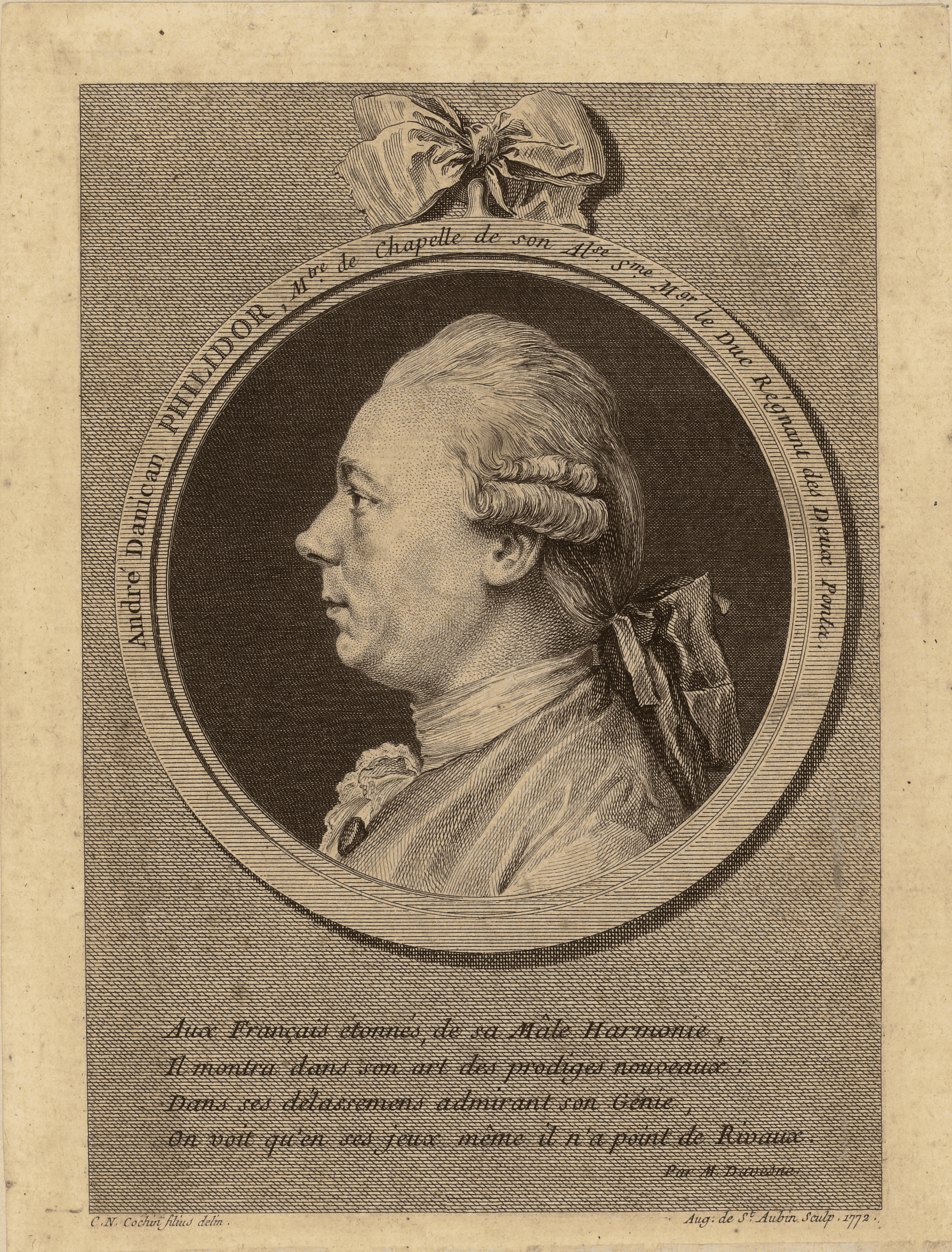
Susanna Poldauf (Video Presentation): A Life Between Music and Chess
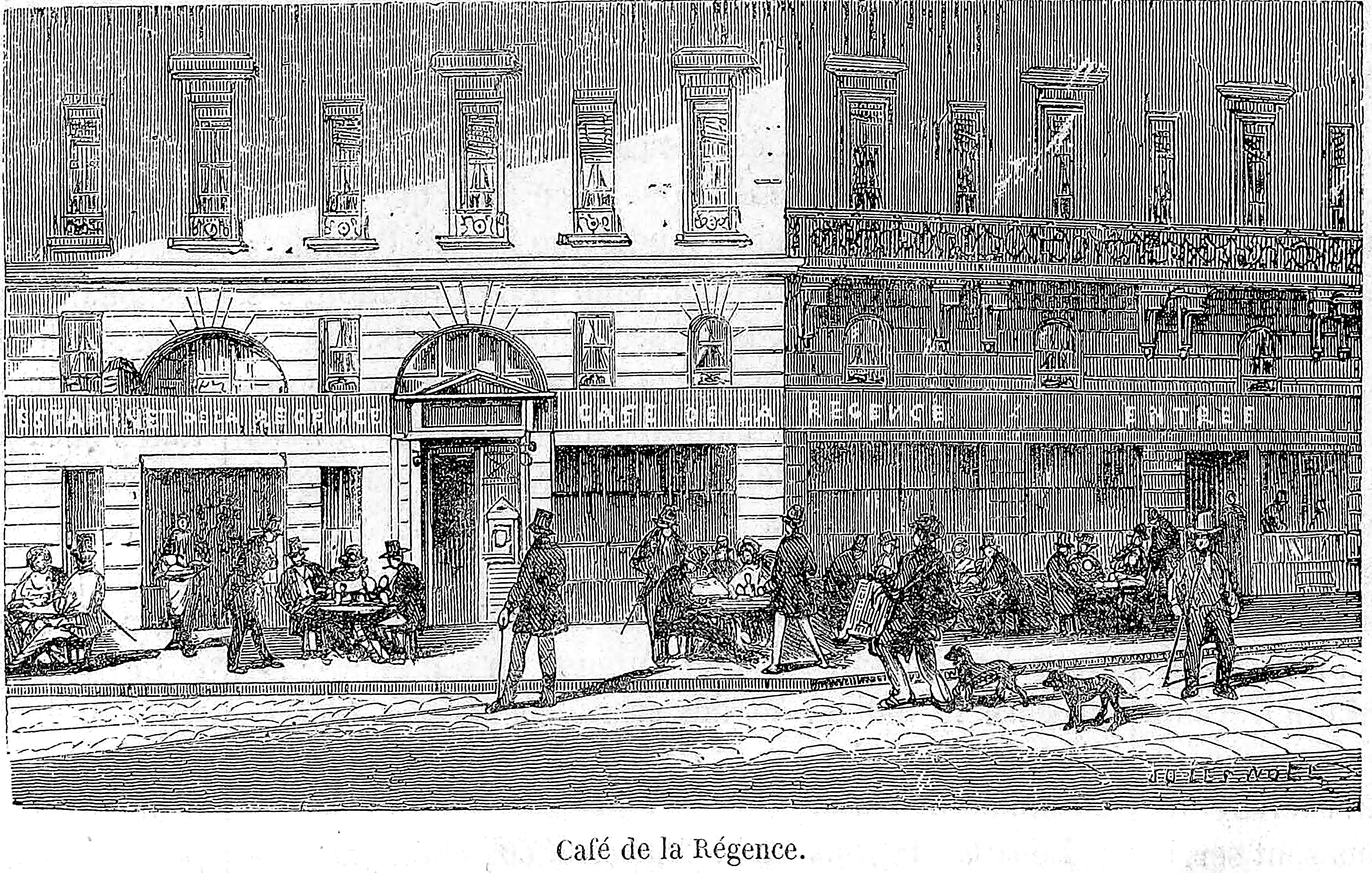
Philidor´s early contact with chess in the Royal Choir and the Café de la Régence made him the dominant player of his century, but his real ambition was opera, where he was innovative and successful. When his music income dwindled, he returned to chess and showmanship.
Frank Hoffmeister: Europe’s Mentor
Even though few of Philidor´s games have survived, his impact on chess was immense. “L´analyse du jeu des échecs” was translated many times and remained the authoritative chess book for a century.
13.15-14.00
Light lunch
14.00-15.00
Social Learning in Chess (in English)
Adrienne Teller (online): Musical Chess
Music and chess make a powerful combination to promote children in their cognitive and emotional development. Based on my experience as an educator and animator I am developing a curriculum and learning platform.
Luis Blasco de la Cruz: Social Chess Entrepreneurship in Spain
While internationally known as the cradle of modern chess and for its top tournaments, Spain has also produced many innovations in educational and social chess. I will give you an overview and delve deeper into the projects I have been leading with my club and chess academy.
All conference participants are cordially invited to attend:
Saturday, May 23
16:30
Masterclass with Elizbar Ubilava, Gymnasium Moosach (Pfingst-Open begins at 18:00)
Sunday, May 24
11:00 Concert at Nymphenburg Palace, Johannissaal
Excursion Lake Starnberg 50 euro
Conference with concerts is 80 Euro
Conference without concerts is 60 Euro